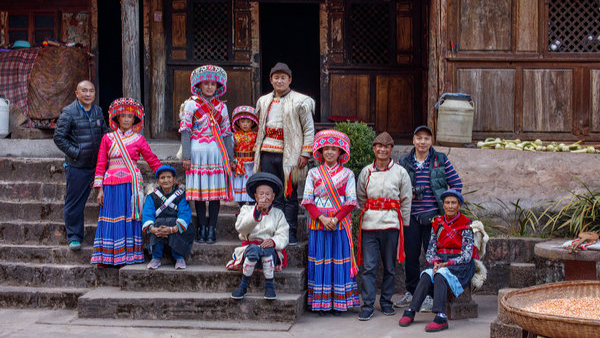
Lisu Ethnic Group
Introduction
The Lisu ethnic group is one of the 56 recognized ethnic groups in China, with significant populations also residing in Myanmar, Thailand, and India. They are primarily located in the mountainous regions of Yunnan province in Southwest China. The Lisu people have a rich cultural heritage characterized by vibrant traditional clothing, unique festivals, and a distinct musical tradition. Their language belongs to the Tibeto-Burman branch of the Sino-Tibetan language family, and they are known for their harmonious integration with the natural environment, which deeply influences their lifestyle and cultural practices.
History
The history of the Lisu ethnic group is closely tied to their migration patterns and interactions with neighboring ethnicities. Historically, the Lisu are believed to have migrated from the Tibetan Plateau to the areas they currently inhabit. Their history is marked by adaptation to the challenging mountainous terrain, which has fostered a strong sense of community and resilience. The Lisu people have traditionally engaged in agriculture, hunting, and gathering, with a deep-rooted connection to the land. Over time, they have maintained their cultural identity despite external influences and challenges, preserving their language, customs, and rituals.
Geography
Geographically, the Lisu people predominantly inhabit the western part of Yunnan province, particularly in areas such as Nujiang Lisu autonomous prefecture and Dehong Dai and Jingpo autonomous prefecture. This region is characterized by its rugged terrain, dense forests, and proximity to the Nujiang (Salween) River, which greatly influences the Lisu way of life. Their settlements are typically located in remote, mountainous areas, allowing them to preserve their traditional lifestyle. The ecological environment of these regions supports diverse flora and fauna, contributing to the Lisu's reliance on natural resources and traditional farming practices.
Culture
Traditional Clothing
Traditional Lisu clothing is known for its vibrant colors and intricate designs, reflecting the group's cultural identity and aesthetic values. Lisu women often wear brightly colored tunics adorned with silver ornaments and embroidery, while men typically wear simpler garments. The clothing is not only a symbol of cultural pride but also serves practical purposes, suited to the mountainous climate. The process of creating these garments is an important cultural practice, passed down through generations, and serves as a medium for expressing social status and identity within the community.
Festivals
Festivals play a pivotal role in the cultural life of the Lisu people, serving as occasions for communal gathering, celebration, and the reinforcement of cultural values. One of the most significant festivals is the Kuoshi Festival, which marks the Lisu New Year and is celebrated with traditional music, dance, and feasting. During such festivals, the Lisu engage in rituals that honor their ancestors and the spirits of the natural world, reflecting their animistic beliefs. These festivals are not only a time for merriment but also a means of cultural preservation and intergenerational communication.
Music and Dance
Music and dance are integral components of Lisu culture, serving as expressions of joy, spirituality, and social cohesion. Traditional Lisu music often features bamboo flutes, drums, and stringed instruments, creating melodies that complement their lively dances. Dance forms are varied, from communal circle dances to more structured performances that depict historical or mythical narratives. These artistic expressions are taught from a young age, ensuring the continuity of cultural traditions. The Lisu's musical heritage is celebrated in various cultural events and has gained recognition beyond their communities, contributing to the broader tapestry of Yunnan's ethnic diversity.
Economy
The economy of the Lisu ethnic group is primarily based on agriculture, with a focus on subsistence farming. The challenging geographical conditions have led to the development of terrace farming techniques, allowing them to cultivate crops like rice, corn, and vegetables. Additionally, the Lisu engage in animal husbandry, hunting, and foraging to supplement their diet. In recent years, efforts have been made to diversify their economic activities, including initiatives in eco-tourism and the promotion of traditional crafts. The development of infrastructure and poverty alleviation programs has also contributed to improving living standards and economic opportunities for the Lisu people.
Cultural Promotion Efforts
Cultural promotion efforts for the Lisu ethnic group have gained momentum in recent years, aiming to preserve and celebrate their unique heritage. These efforts include the documentation and teaching of the Lisu language, the organization of cultural festivals, and the support for traditional art forms. Local governments and cultural organizations have played a significant role in these initiatives, recognizing the importance of cultural diversity as a resource for tourism and education. Additionally, the Lisu's inclusion in national cultural heritage lists has provided them with platforms to showcase their rich traditions, fostering greater understanding and appreciation among broader audiences.
Through these concerted efforts, the Lisu ethnic group continues to thrive, maintaining their cultural identity while adapting to the changing social and economic landscape.








